

Beats Built on Soul and Samples.
Inside the Creative Lab of Rare Frequency.
Rare Frequency is the independent hip-hop production identity of Brian K. Burwell II, professionally known as AVISU. Rooted in soulful musical expression, rhythmic precision, and creative independence, Rare Frequency represents another dimension of his multidisciplinary artistic and research work.
Through the Producer Pack instrumental series, Rare Frequency explores the relationships between melody, rhythm, sonic texture, and musical structure, developing compositions that provide artists with room for expression while maintaining their own distinctive identities.
The Producer Pack Collection
Rare Frequency has released three instrumental beat tapes, comprising 36 original instrumental tracks across cinematic soul, R&B, and hip-hop production styles.
Producer Pack Vol. 1 — The Foundation
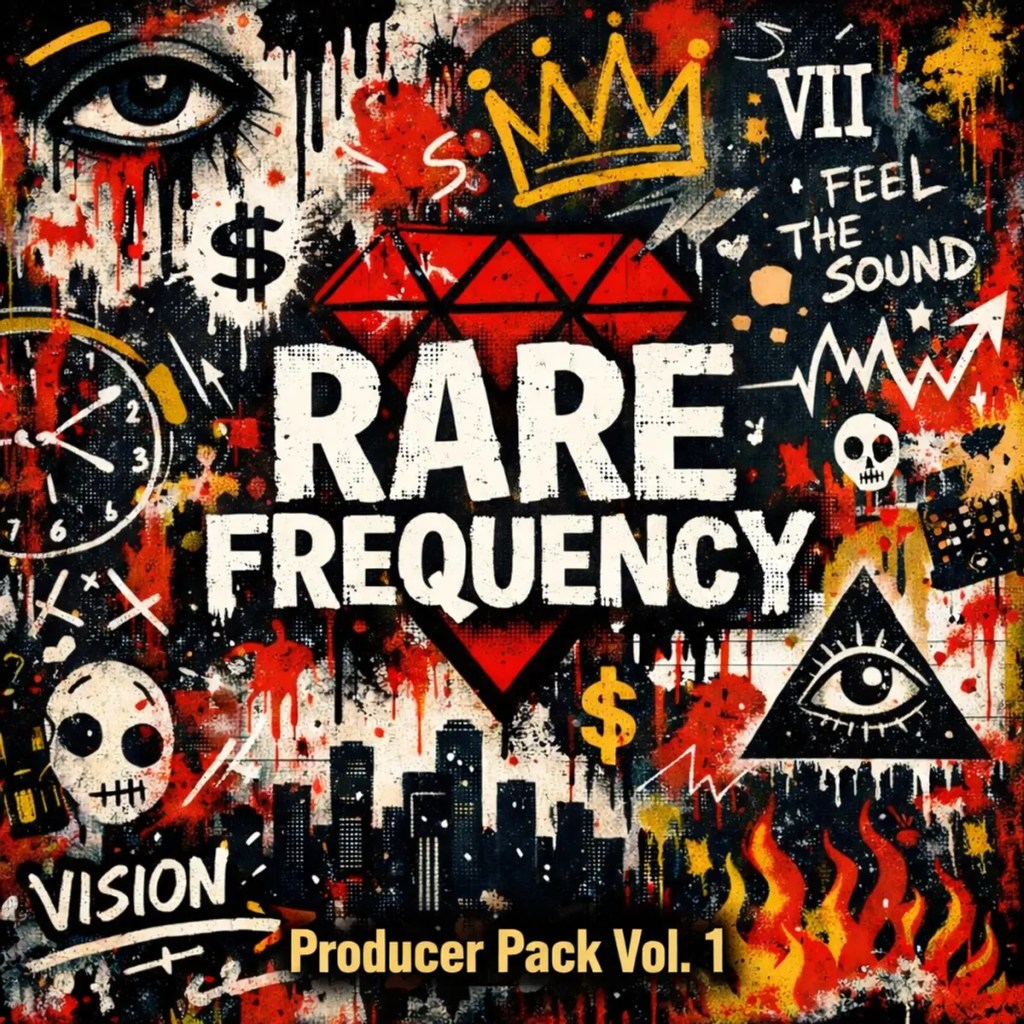
The debut Rare Frequency beat tape features 11 cinematic, soulful instrumentals designed for artists who move with structure and elevation.
The project introduces the producer identity through atmospheric arrangements, expressive melodies, and rhythmic foundations that emphasize musical character and creative flexibility.
Producer Pack Vol. 2 — Love Signals
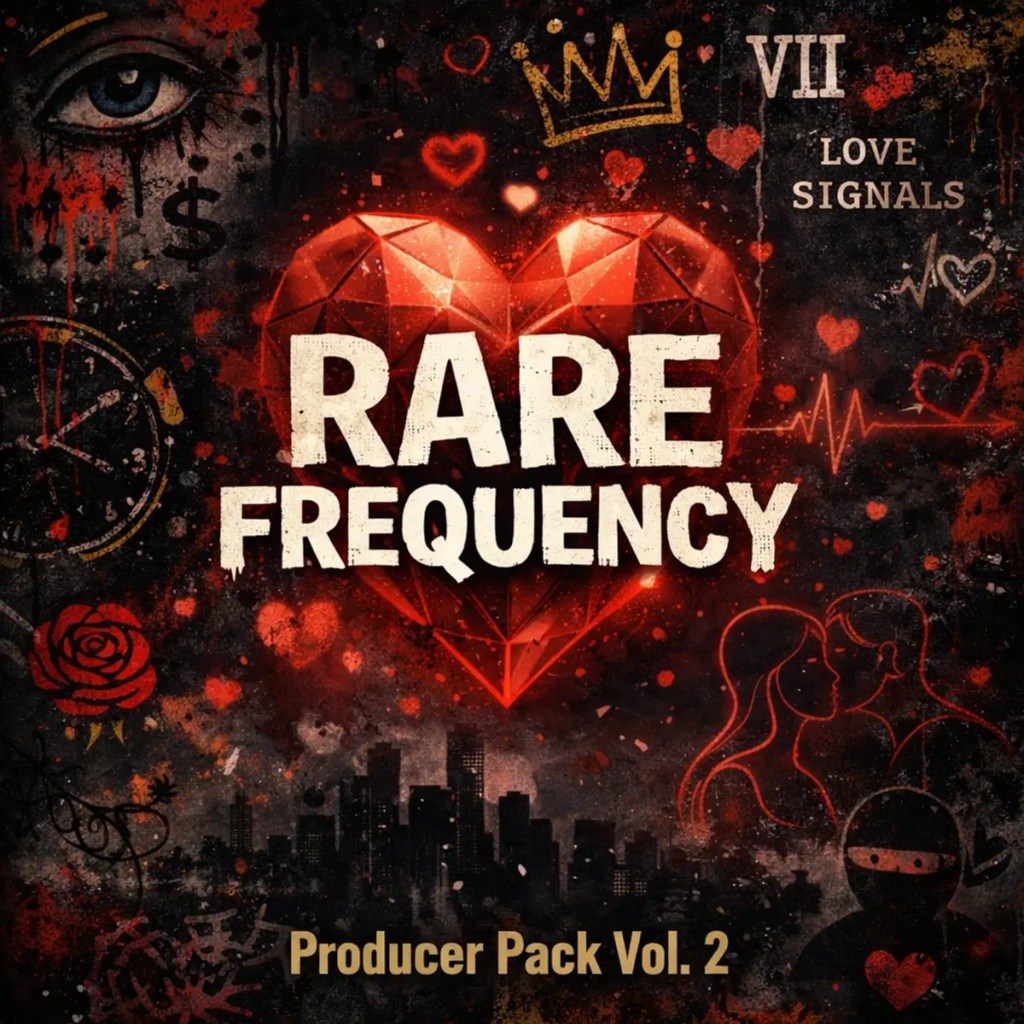
The second installment features 10 R&B-style instrumentals, expanding the collection into melodic, emotionally expressive production.
The project explores the relationships between harmonic atmosphere, rhythmic movement, and musical expression, providing a foundation for contemporary R&B and melodic vocal performances.
Producer Pack Vol. 3 — Hip-Hop Production
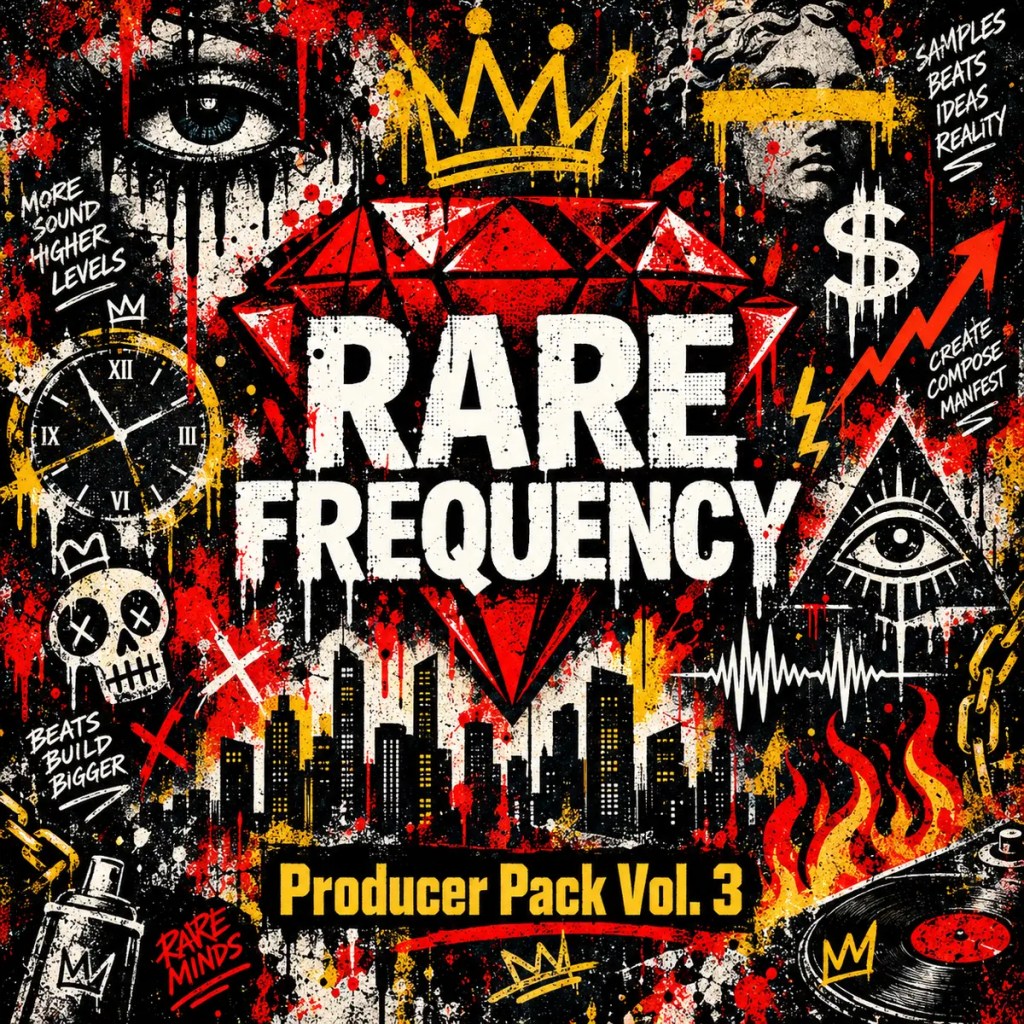
The third installment contains 15 hip-hop instrumentals, emphasizing rhythmic structure, creative energy, and distinctive production arrangements.
Building on the preceding releases, Vol. 3 explores additional dimensions of hip-hop production while maintaining the artistic identity established through Rare Frequency.
Purchase the beat tapes here
Production as Structural Intelligence
Rare Frequency also connects to the broader SICOHERENCE™ (Structural Intelligence Coherence) research program developed through Crown State of Mind LLC.
Within this framework, music production offers a practical environment for examining relationships between rhythmic synchronization, harmonic organization, frequency distribution, arrangement, and perceptual coherence.
Each instrumental consists of individual sonic elements operating within an interconnected composition. Their organization influences how the listener experiences the completed work.
This approach reflects the Structural Intelligence principle that the relationships between components are as important as the components themselves.
Independent by Design
Rare Frequency represents AVISU’s continued commitment to artistic independence, production versatility, and creative ownership.
The three-volume Producer Pack series documents his work across multiple musical styles while preserving a consistent approach to structural organization and sonic identity.
Three volumes. Thirty-six instrumentals. One independent producer identity.
The Bedroom as a Serious Studio
Rare Frequency works from a small bedroom setup: a laptop, a trusted pair of headphones, a modest interface, and one or two versatile microphones. The space is treated less like a temporary workaround and more like a compact laboratory. Cables are organized, templates are dialed in, and every piece of gear has a clear role. The limitation of the room forces intention: fewer distractions, tighter sound choices, and a workflow tuned around quick capture of ideas.
Instead of chasing every new plug-in or synth, he builds depth with a small toolkit—learning how each compressor, saturation plugin, and sampler reacts to drums, vocals, and chopped loops. Over time, this creates a signature sound that feels consistent, even as individual beats change.
Practical Lessons from the Bedroom Lab
- Treat your room like a long-term workspace, even if it is temporary. Organization and repeatable routines beat expensive gear.
- Pick a small set of tools and go deep. Familiarity with a few plugins, samplers, and drum kits often matters more than variety.
- Build templates for common tasks: making a beat, mixing a demo, recording a collaborator. Reduce friction between idea and execution.
Soul Textures
The core of Rare Frequency’s sound is soul-inspired texture: warm chords, human imperfections, expressive vocals, and gritty drums that nod to classic records without copying them. He draws inspiration from soul, jazz, gospel, and psychedelic records, but he is deliberate about how he finds, flips, and share samples.
Collaboration as a Growth Engine
Rare Frequency does not work in isolation. He builds a small circle of rappers, singers, and other producers who share files, feedback, and opportunities. Some collaborations start online; others grow out of local open mics, producer events, or college scenes. The bedroom studio becomes a hub, even if collaborators often send stems remotely instead of recording in person.
Rather than chasing every possible connection, he focuses on a handful of relationships and communicate clearly about expectations: how beats are shared, how splits work, and how credits should be listed when songs are released.
Practical Lessons on Collaboration
- Define what you offer: production, mixing, arrangement, or creative direction. Clear roles make collaborations smoother.
- Talk about splits and ownership early, before songs are released. Written confirmations, even in simple language, protect everyone involved.
- Share works-in-progress strategically. Send focused folders with your best beats instead of everything on your hard drive.
Branding Beyond a Logo
For Rare Frequency, branding is not limited to a typeface or a color palette. It is the total experience people have when they encounter their work. The mood of the beats, the visual style of cover art, the tone of captions, the way they respond to messages, and the consistency of release schedules all build recognizability over time.
Instead of mimicking big-label aesthetics, he leans into what is naturally available: bedroom photos, behind-the-scenes screen captures, process breakdowns, and simple visual motifs that reflect their love for soul textures. Over time, listeners begin to associate certain feelings and stories with their tag, their name, and their sound.
Practical Lessons on Branding
- Decide how you want people to feel when they hear your name or tag, then align your visuals, captions, and collaborations with that feeling.
- Be consistent with your name, producer tag, and social handles so people can find and credit you easily.
- Show your process, not just polished releases. Regular, honest updates can build a more durable connection than occasional big announcements.
Building a Sustainable Path
Rare Frequency is not relying on a single viral moment or a sudden call from a major artist. His development is steady and diversified. He might balance making beats with mixing for local artists, offering production lessons, selling sample packs, or handling light audio work for podcasts or short-form video creators. Each lane supports the others, and together they create stability.
He also pays attention to time, energy, and financial sustainability. That can mean setting boundaries around unpaid work, tracking basic income and expenses, and learning how contracts and royalties function before agreeing to long-term deals.
Practical Lessons on Sustainable Growth
- Identify multiple ways your skills can generate income, both inside and adjacent to music.
- Create simple systems for tracking projects, payments, and agreements so your business can scale with your creativity.
- Invest time in learning the language of contracts, publishing, and royalties before you sign anything that could affect your long-term rights.
Turning Insight into Action
Rare Frequency is meant as a mirror and a roadmap. You may recognize parts of your own journey in this producer: the late-night sessions in a small room, the pull toward soul textures, the questions around samples and credits, and the desire to grow without losing control of your art.





Leave a Reply