
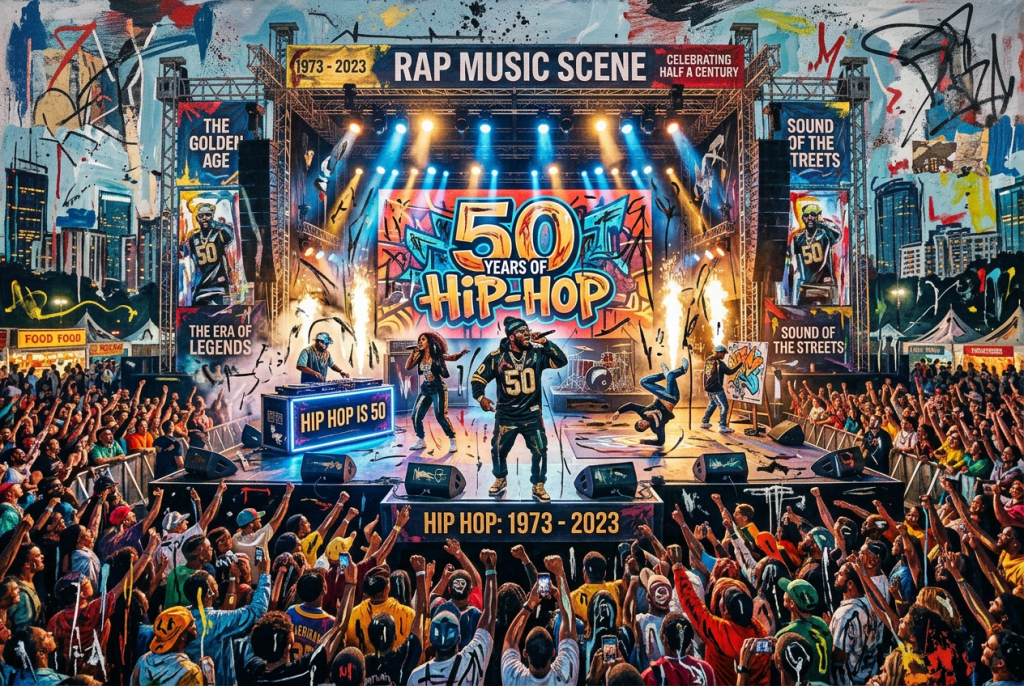
Five Decades of Hip-Hop: Community, Creativity, and the Culture That Keeps Moving
Hip-hop has grown from a local movement into a global cultural force, yet its heart still beats in the neighborhoods, park jams, studio sessions, and community spaces where it began. Over five decades, the culture has evolved through experimenters and innovators who turned limited resources into limitless creativity. More than a musical genre, hip-hop is a living archive of style, storytelling, and shared experience, offering lessons in resilience, collaboration, and self-definition for every new generation entering the rap music scene.
Pioneers, Not Just Stars: The Architects of a Culture
From its earliest days, hip-hop was built by people who were less concerned with stardom than with expression and connection. DJs, MCs, dancers, writers, and organizers each contributed pieces of a culture that would outlast individual careers. The earliest parties and park jams emphasized participation: crowds responding to the DJ, MCs trading verses, and dancers turning concrete into a creative stage. That spirit still defines the rap music scene today, reminding us that pioneers are often the people who open doors, share skills, and create space for others to shine.
What made these early innovators so influential was their willingness to experiment. They stretched records into extended breaks, flipped familiar sounds into something new, and treated limitations as challenges rather than barriers. Their work became a blueprint for how hip-hop approaches creativity: with bravery, resourcefulness, and a constant push toward the next idea.
Producers as Storytellers: Building Soundtracks From Fragments
As hip-hop evolved, the role of the producer became central to shaping the sound and mood of each era. Producers learned to treat drum machines, samplers, and software as instruments in their own right, layering rhythm, melody, and texture into cohesive narratives. They gathered fragments from records, street sounds, live musicians, and digital libraries, then rearranged them into new sonic worlds.
This approach to production helped redefine how we think about authorship and originality. Hip-hop producers showed that honoring the past and innovating for the future can happen at the same time. A single track might nod to soul, funk, jazz, or electronic experimentation while still sounding unmistakably current. In doing so, producers helped turn hip-hop into a living conversation between generations, communities, and musical traditions.
Neighborhoods as Studios: Local Scenes, Global Echoes
Hip-hop has always been rooted in place. Neighborhoods shaped flows, slang, style, and subject matter, transforming local realities into global reference points. Whether in city blocks, suburbs, campuses, or digital communities, artists used their immediate surroundings as a canvas. Corner stores became cover art. Bus routes turned into metaphors. Apartment studios gave birth to anthems that circled the world.
These local scenes matter not just as origin stories, but as ongoing sources of innovation and support. Community centers, independent venues, small studios, and online platforms keep the culture accessible, allowing emerging artists to collaborate, share resources, and test new ideas. The rap music scene thrives when neighborhoods are treated as creative ecosystems to be nurtured, not just markets to be mined.
Creative Practices: From Freestyle Circles to Multimedia Storytelling
Across its history, hip-hop has embraced practices that invite participation and sharpen skills. Freestyling encourages quick thinking and emotional honesty. Cipher circles transform competition into mutual growth, pushing artists to refine their voices while learning to listen. Writing sessions blend poetry, rhythm, and memory into structured verses that echo lived experience.
Today, those same creative practices extend beyond the microphone. Hip-hop informs fashion design, photography, film, dance, podcasting, and digital content. Visual artists collaborate with rappers on cover art and stage design. Choreographers break down verses into movement. Filmmakers amplify narratives that began as lyrics. At every level, the culture encourages people to turn observation into creation and to take their own stories seriously.
Preservation and Memory: Respecting the Roots While Pushing Forward
As hip-hop matures, preservation has become as important as innovation. Archiving flyers, photos, recordings, and personal histories helps ensure that community contributions are not forgotten or misrepresented. Grassroots projects, digital collections, and local initiatives document the parties, battles, zines, and radio shows that shaped the culture long before it was widely recognized.
Preservation is not about freezing the culture in time. Instead, it offers context and continuity. When younger artists understand the paths carved before them, they can experiment more boldly and responsibly. Honoring the past does not limit creativity; it deepens it by highlighting the values that have sustained hip-hop from its earliest days: originality, community accountability, and pride in one’s voice.
Positive Impact: Lessons From Five Decades of Hip-Hop
Across five decades, hip-hop has offered space for people to speak on conditions that were often ignored elsewhere. It has given language to hope, frustration, ambition, and joy, while demonstrating that cultural work can be both deeply personal and widely influential. Community-driven projects, benefit concerts, youth workshops, and mentoring efforts have all drawn on hip-hop’s energy to inspire education, entrepreneurship, and civic engagement.
For the next generation entering the rap music scene, the lessons are clear. Collaboration beats isolation. Craft matters as much as visibility. Understanding the culture’s roots can sharpen, not soften, innovation. And most importantly, hip-hop’s power grows when artists and audiences treat one another with respect, recognizing that every beat and every bar is part of a larger story.
Looking Ahead: Innovation With Intention
The future of hip-hop will be shaped by how new artists, producers, fans, and organizers answer a few enduring questions: How can the culture remain open to experimentation while staying grounded in its core values? How can success be defined in ways that include creative freedom, community well-being, and long-term sustainability? And how can the global reach of rap today be used to highlight local stories that might otherwise go unheard?
Technology will continue to change how music is made and shared, but the underlying practices that built hip-hop remain powerful: collaboration, improvisation, resourcefulness, and a commitment to telling the truth about lived experience. When these principles guide innovation, the culture not only survives change—it leads it.
Conclusion: Carrying the Culture Forward
Hip-hop’s first five decades have shown that a culture born from creativity and constraint can reshape global conversations while staying rooted in everyday life. Pioneers, producers, neighborhoods, and fans have all played a role in turning local scenes into lasting legacies. As the rap music scene continues to expand, its future will depend on how each generation chooses to honor the past, invest in community, and push the art form into unexplored territory.
For those ready to learn more, support emerging artists, and stay connected to the evolving culture, keep exploring Rap Music Scene coverage for deeper stories, thoughtful analysis, and ongoing perspectives on where hip-hop has been—and where it is headed next.




Leave a Reply