
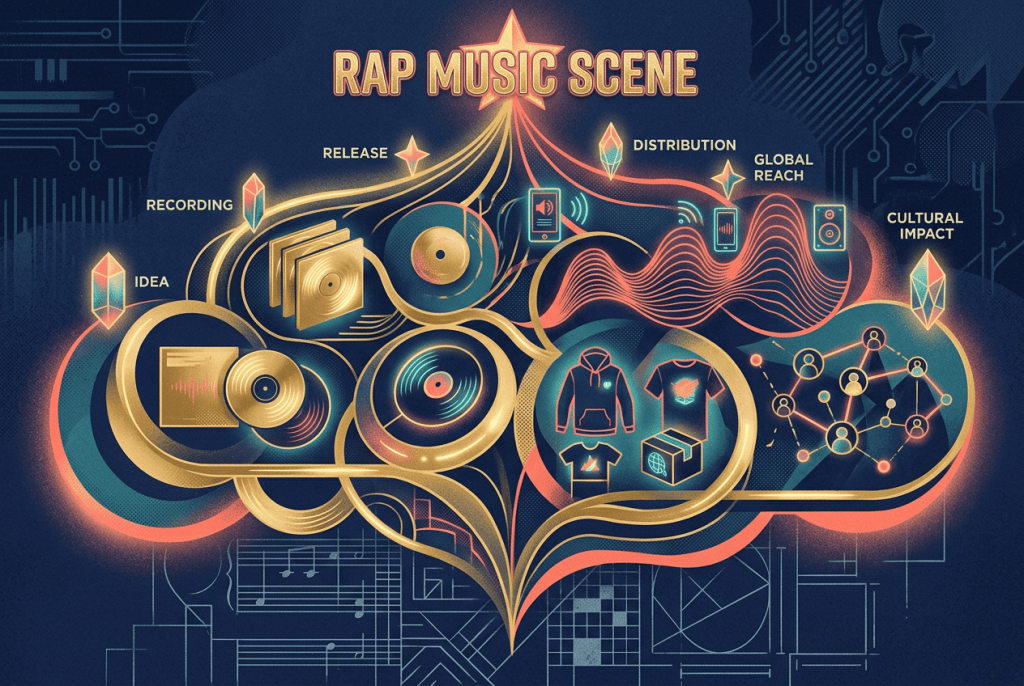
From Hobby to Headquarters: How Independent Hip-Hop Artists Are Building Sustainable Careers
Across the global hip-hop landscape, a growing wave of independent artists is treating rap not just as a passion, but as a long-term, self-directed career. Away from the traditional label system, these creators are building their own paths—brick by brick—through ownership, strategy, consistency, community, and direct relationships with fans. The stories and patterns emerging from this movement offer a practical playbook for anyone serious about turning rap into a sustainable livelihood.
The New Blueprint: Careers Built from the Ground Up
Independent hip-hop careers rarely arrive overnight. Instead of viral miracles, most sustainable journeys are marked by steady progress: early mixtapes and singles, small but loyal local audiences, and a gradual shift toward professional release strategies. Artists are defining success on their own terms, focusing less on instant fame and more on building durable foundations that can support them for a decade or more.
That foundation usually starts with clarity: understanding their sound, their story, and the specific communities they want to reach. Rather than trying to appeal to everyone, independent rappers who endure often specialize—leaning into regional flavor, distinctive perspectives, or focused themes that resonate deeply with a particular audience.
Ownership First: Masters, Merch, and Mindset
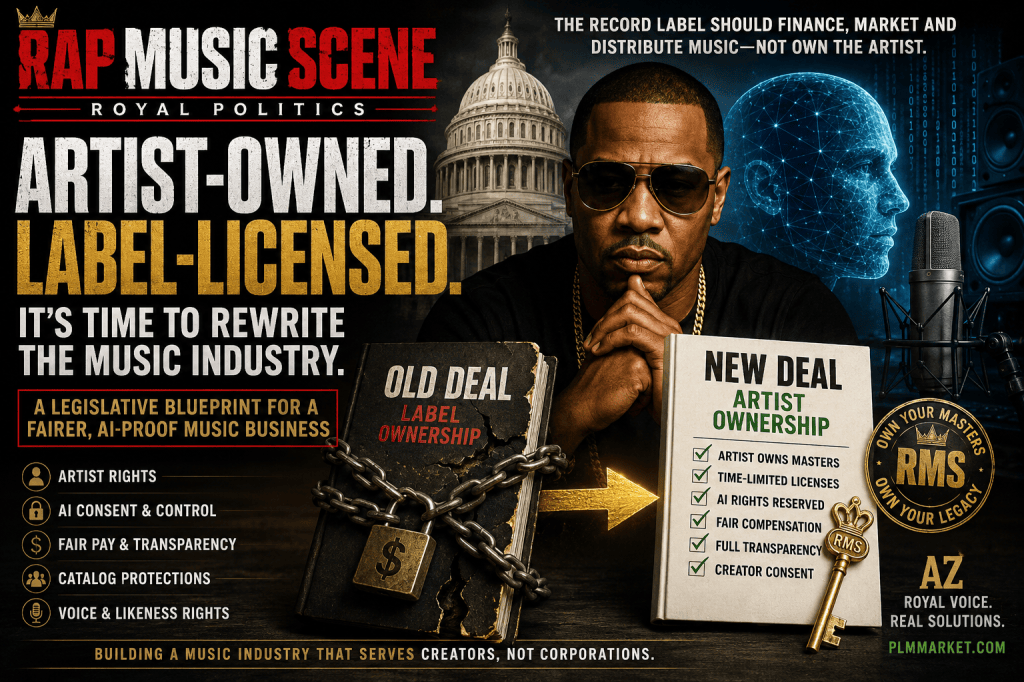
One of the clearest trends in the independent rap space is an emphasis on ownership. For many artists, music is no longer just content to give away in hopes of a contract; it is an asset. Retaining control of masters, publishing, visual assets, and brand identity allows artists to benefit more fully from streaming, licensing, sync opportunities, and future catalog deals.
Ownership extends beyond files and contracts into mindset. Independent artists are thinking like small businesses: tracking revenue streams, understanding basic deal terms, and building teams that include managers, producers, designers, and videographers who share in the long-term vision. Instead of waiting to be chosen, they are assembling their own infrastructure.
Merchandise plays a growing role in this ecosystem. Thoughtfully designed apparel and physical products—vinyl, limited-run cassettes, posters, or collectible items—turn casual listeners into invested supporters. When run carefully, these direct-to-fan products can become a key pillar of an independent artist’s income.
Consistency Is Currency
In the current landscape, the artists who tend to gain traction are the ones who show up regularly. That does not always mean dropping new music every week, but it does mean maintaining steady creative output and communication. Release calendars, content schedules, and long-term planning—once the domain of labels—are now core parts of the independent toolset.
Consistency shows up in multiple ways: a reliable cadence of singles and projects, ongoing conversation with listeners on social platforms, and a visual identity that fans can instantly recognize. Over time, this repetition builds trust. Listeners learn to expect that when a favorite independent artist announces something, it will arrive on time and meet a certain standard.
Many independent rappers are also using consistency as a way to test and refine their sound. By releasing frequently enough to gather feedback—through comments, streams, and live reactions—they adjust in real time while staying true to their core identity.
Community at the Center
Behind nearly every independent success story is a community that believed before the wider world did. Local scenes, online forums, social circles, and collaborative networks all play a crucial role. Instead of treating other artists as competition, many independent rappers are building collectives and informal alliances that share resources, audiences, and knowledge.
That community-first approach can show up in small, consistent actions: appearing on each other’s singles, co-hosting events, sharing behind-the-scenes knowledge about distribution platforms, or putting together joint tours that make travel more affordable. The result is a rising-tide effect where multiple careers move forward at once.
Offline, independent artists often invest heavily in the places that raised them—performing at local venues, supporting grassroots cultural spaces, or participating in workshops and mentorship programs. While every journey is different, a shared theme is clear: when artists pour back into their communities, those communities tend to show up in return.
Direct-to-Fan Relationships in a Platform Era
Streaming services and social platforms remain important discovery tools, but independent hip-hop artists building lasting careers are careful not to rely on any single algorithm. Instead, they focus on owning the relationship with their listeners wherever possible—through email lists, text communities, membership platforms, and dedicated fan hubs.
Direct communication offers two major advantages. First, it allows artists to reach their audience even if platform rules or visibility change. Second, it creates space for deeper connection: exclusive drops, early listening sessions, behind-the-scenes updates, and personalized messages that make listeners feel like part of the journey rather than just consumers of content.
Many independent rappers are also experimenting with tiered access—offering different levels of engagement, from casual listeners who stream and follow, to core supporters who buy vinyl, attend shows, join private communities, or support ongoing creative work through subscriptions and memberships.
Strategic Thinking: Releases, Revenue, and Rights
Behind the music, there is strategy. Independent artists who build durable careers increasingly approach releases like campaigns rather than isolated moments. That can mean staging singles to lead into a project, aligning visuals and storytelling across platforms, and thinking about how each release contributes to a broader narrative arc.
On the revenue side, smart independents spread risk across multiple income streams. Recorded music, live shows, merchandise, production or writing for others, licensing opportunities, and educational offerings all become part of a diversified portfolio. Each artist finds a different balance, but the underlying principle is similar: do not rely on a single platform or paycheck.
Rights management is another growing area of focus. Artists who understand how publishing, neighboring rights, and performance royalties work are better positioned to collect what they are owed. Increasingly, independent rappers are educating themselves through online resources, peer networks, and professional advisors to make informed decisions about deals and partnerships.
A Practical Playbook: Lessons from the Independent Frontlines
While every path is unique, several practical lessons keep surfacing across the independent hip-hop landscape. Artists who apply these principles tend to give themselves a stronger chance of building careers that last.
- Define your story and lane. Clarify what makes your voice, sound, and perspective distinct. A clear identity helps listeners remember you and makes it easier to build a focused audience.
- Think long-term from day one. Even in the early stages, act as if your catalog will matter years from now. Organize your files, understand basic rights, and document splits with collaborators.
- Prioritize ownership where you can. Whenever possible, retain meaningful control of your masters, publishing, and brand assets, or enter partnerships that respect your long-term leverage.
- Release with intention. Plan campaigns around singles, EPs, and albums. Align artwork, videos, and messaging so each release feels like a coherent chapter in your story.
- Show up consistently. Set a realistic pace for releasing music and content, then stick to it. Consistency builds trust with both fans and collaborators.
- Invest in community, not just reach. Build real relationships with other artists, producers, DJs, curators, and fans. Collaboration and mutual support often open more doors than pure self-promotion.
- Own your fan connection. Build channels you control—such as mailing lists or membership communities—so you can reach your supporters directly regardless of algorithm changes.
- Study the business. Treat time spent learning about contracts, royalties, distribution, and marketing as part of your creative practice. Understanding the business side protects your art.
- Test, measure, and adapt. Pay attention to what resonates: which songs, visuals, and formats create real engagement. Use that feedback to refine your strategy while staying true to your core vision.
Looking Ahead: Sustainable Careers in an Evolving Landscape
The independent hip-hop movement is still evolving, but its central themes are already clear. Ownership, strategy, consistency, community, and direct-to-fan relationships are no longer optional extras; they are the pillars of sustainable careers. As tools become more accessible and knowledge more widely shared, more artists are discovering that they can build meaningful, self-directed lives in music without waiting for traditional gatekeepers.
For listeners, this shift means more diverse voices, more authentic stories, and a closer connection to the artists they love. For artists, it represents both a challenge and an invitation: to think beyond a single hit and instead design a future where creativity and independence can coexist over the long haul.
Rap Music Scene will continue following this evolution—highlighting strategies, stories, and practical insights from across the independent hip-hop world. To stay tapped into the latest analysis, tools, and perspectives shaping sustainable rap careers, explore more coverage across our platform and keep building your own blueprint.




Leave a Reply