
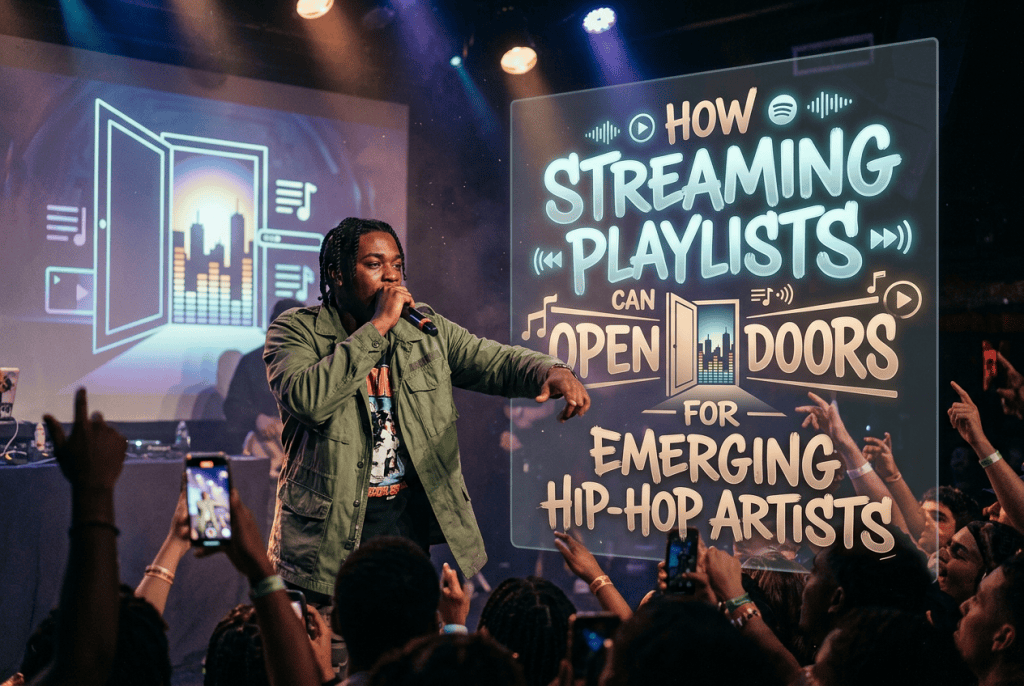
Smart Playlist Strategy for Independent Hip-Hop Artists
Streaming playlists are one of the most visible ways your music can spread, but they work best when they sit on top of a strong foundation: thoughtful releases, clean metadata, and a real audience. This guide breaks down how independent hip-hop artists can approach playlists with a practical strategy that supports long-term artist development, not just a quick spike in streams.
1. Get Your Release Plan Right Before Chasing Playlists
Playlist success usually follows a clear rollout, not the other way around. Treat every release like a campaign, even if you are dropping a single from your bedroom studio.
- Set a realistic calendar: Choose release dates at least 4–6 weeks ahead so you can pitch properly, create assets, and warm up your audience.
- Build around a core story: What is this song about? Where does it sit in your journey as an artist? Tie your visuals, captions, and press outreach back to that core story.
- Plan content in layers: Teasers, behind-the-scenes clips, snippets of verses, artwork reveals, bar breakdowns, and performance videos all help the release feel like a moment, not just a link.
- Think in sequences: Instead of one single with no follow-up, map a run of singles, a themed EP, or a deluxe edition so new listeners have a path once they discover you.
When you show consistency and intent, curators and listeners are more likely to see you as an artist building a catalog, not just a one-off track.
2. Treat Metadata Like Marketing
Metadata is the way platforms understand and categorize your music. Clean, accurate details help algorithms and curators put your tracks in front of the right listeners.
- Use clear artist and track names: Avoid unnecessary symbols or random capitalization that can confuse search results or split your profile.
- Lock in your genre and mood: Tag your tracks with accurate genres and moods that match the sound. If it is melodic, drill-influenced, or boom bap, reflect that honestly.
- Credit collaborators correctly: Producers, featured artists, and writers should all be tagged. This increases your chances of discovery through their networks and search.
- Stay consistent across platforms: Keep the same artist name, profile photo, and bio tone on all services so your identity is clear wherever someone finds you.
Think of metadata as silent marketing: nobody may talk about it, but it shapes how your music travels through the streaming ecosystem.
3. Approach Playlist Curators With Respect and Strategy
Whether you are dealing with official editorial teams or independent curators, the approach is similar: be prepared, professional, and patient.
- Start with what you control: Many platforms let you pitch upcoming releases directly through their artist dashboards. Use those tools thoughtfully and submit early.
- Research before you reach out: Listen to a playlist before pitching. Make sure your song fits the sound, tempo, and vibe. If it does not belong there, do not force it.
- Keep messages short and focused: A good pitch includes who you are, what the song is about, and why it fits their playlist. Link to one key track, not your entire catalog.
- Respect boundaries: Avoid spamming curators or demanding placements. A genuine, well-timed follow-up is better than repeated DMs.
Curators tend to respond better to artists who show they understand the culture of the playlist and bring music that truly fits.
4. Focus on Playlists You Can Build, Not Just Ones You Can Chase
Big editorial playlists are only one piece of the puzzle. There is real power in smaller, focused playlists and the ones you control yourself.
- Create your own flagship playlist: Include your releases alongside music from peers, influences, and local artists. Update it regularly and share it like a personal radio show.
- Collaborate on community playlists: Link up with producers, DJs, blogs, and other indie rappers to co-curate playlists that highlight a specific city, subgenre, or movement.
- Turn fans into curators: Encourage supporters to add your tracks to their workout, studying, or driving playlists. User playlists may be small, but they are highly engaged.
- Leverage social discovery: When you drop a song, pair it with a playlist that expands on the vibe—then share both together on socials.
When you treat playlists as creative tools, not just gatekeepers, you give your music more ways to live and be discovered.
5. Build an Audience That Outlasts Any Single Placement
Playlist exposure is most valuable when it plugs into an audience you are actively growing. That way, listeners who discover you on a playlist can connect with you beyond that one moment.
- Strengthen your artist profiles: Keep bios updated, add eye-catching photos, and organize your best tracks and projects into sections or pins where possible.
- Capture direct connections: Use email lists, text communities, or private groups so you are not relying only on algorithms to talk to your fans.
- Show up consistently on socials: Share more than links. Post freestyles, process clips, live performance moments, and insights into your writing and recording.
- Reward early supporters: Give first access to new music, merch, or behind-the-scenes content to the people who have been sharing your tracks from the start.
The stronger your core audience is, the more weight every playlist look carries for your career.
6. Measure What Matters and Adjust
Data from streaming platforms and social media can guide your next moves without turning your art into a numbers game.
- Watch listener behavior, not just total streams: Pay attention to saves, playlist adds, and how often people replay or finish your songs.
- Notice which songs attract new listeners: If certain tracks consistently bring in first-time listeners, build more content and future releases around that energy.
- Track which playlists matter most: Some small niche playlists can drive deeper engagement than larger but less-targeted ones.
- Use insights to refine your story: If you notice strong support in a certain city, scene, or subgenre, speak to that in your visuals and messaging.
Over time, these insights help you move from guessing to making informed decisions about how and where you release music.
Putting It All Together
When you approach playlists as one part of a bigger strategy—grounded in strong releases, dialed-in metadata, and real audience building—you put yourself in a better position for sustainable growth. The goal is not just to land on a playlist for a week; it is to build a catalog and a community that keeps listening long after.
Keep your focus on what you can control, stay consistent with your drops, and treat every new listener as the start of a long-term relationship.
Ready to go deeper on release strategy, marketing, and artist development?




Leave a Reply