
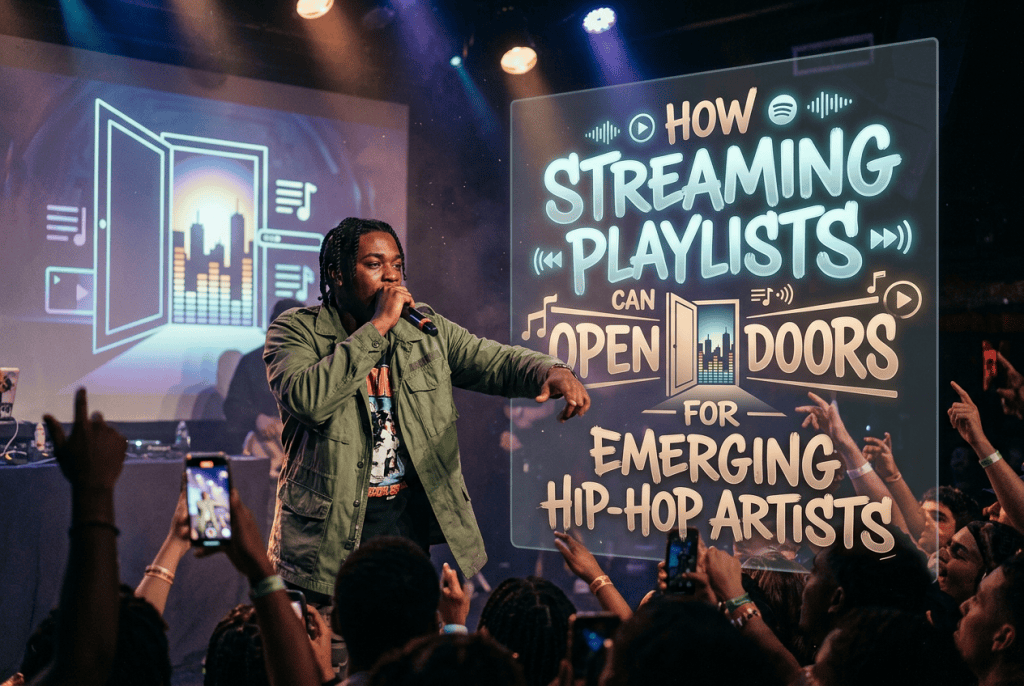
How Streaming Playlists Can Open Doors for Emerging Hip-Hop Artists
For emerging hip-hop artists, streaming playlists are not a magic shortcut, but they are one of the most powerful discovery engines in modern rap. When you approach them with a clear strategy, respect for listeners, and long-term thinking, playlists can turn early momentum into a sustainable career foundation.
The Playlist Era: Opportunity and Reality
Streaming has changed how fans find new rap, but the basics remain the same: people connect with authenticity, consistency, and great records. Playlists can amplify that connection by putting your music in front of listeners who are already in the right mood, whether it is late-night lo-fi, high-energy trap, or experimental underground sounds.
At the same time, playlists are crowded and competitive. You are not just competing with other emerging acts, but also with catalog records from established stars. That is why you need a clear plan that goes beyond hoping for a single editorial placement and instead treats playlists as one piece of a broader release strategy.
What Curators and Listeners Respond To
A Distinct Sonic Identity
Curators and algorithmic systems alike respond to clarity. If your catalog jumps wildly between unrelated styles, it is harder for the system to know which listeners to send your music to, and harder for human curators to understand where you fit. You do not need to sound like anyone else, but you should make it easy to describe what you do in a sentence.
Lean into a recognizable tone, production palette, or thematic lane. That does not mean repeating the same song forever, but it does mean building a world that listeners can return to and that curators can confidently program around.
Replay Value Over Shock Value
Playlists reward songs that people let run to the end and play again. Memorable hooks, sharp writing, and cohesive production matter more than short-lived gimmicks. Tracks that fit naturally into a mood, activity, or vibe have a better chance of sticking once they land in a playlist.
Ask yourself if a listener who has never heard of you would save this song, add it to their own playlist, or let it play in the background while they live their life. That test is more realistic than focusing only on first-week numbers.
Cohesive Branding Around the Music
Curators do not program artwork or social feeds, but those details still matter. A consistent visual language across cover art, artist photos, and profiles sends a signal that you take your craft seriously. When your branding matches the sound and mood of the record, it helps curators feel confident putting your track next to other artists they trust.
Release Planning With Playlists in Mind
A strong playlist presence starts long before release day. Thoughtful planning gives your music the best chance of being noticed by both editorial teams and algorithms.
Staggered Singles and Focus Tracks
Rather than dropping an entire project with no buildup, consider a sequence of singles that each has a clear role. Choose one or two focus tracks that are especially playlist-friendly: strong intros, clear hooks, and production that sits comfortably alongside current sounds while still feeling like you.
Spacing releases out gives you time to pitch properly, build content around each song, and study how listeners respond so you can adjust your next move.
Lead Time for Editorial Pitching
Most major streaming platforms allow you to pitch upcoming releases directly inside their artist tools. Use this. Upload your track in advance, fill out every field with care, and submit your pitch as early as the platform recommends. Rushed uploads the night before release make it difficult for playlist editors to consider your song.
In your pitch, describe the sound, mood, and context of the record in clear, concrete language. Focus on why the song connects, not on exaggerated claims. Editors are looking for fit and quality, not hype.
Metadata: The Invisible Foundation
Metadata is often overlooked, but it is one of the most important levers you control. Accurate, detailed information helps both algorithms and humans understand where your song belongs.
Get the Basics Perfect
Double-check titles, featured artists, and release dates. Make sure your artist name is consistent across all platforms. Small errors can split your catalog, confuse listeners, and make it harder for curators to find your full body of work.
Use Genre, Mood, and Culture Tags Wisely
When your distributor or platform asks for genres, subgenres, cultures, and moods, answer honestly and precisely. Over-tagging to chase trends can backfire by sending your track to the wrong audiences, which leads to skips and weak engagement. The more accurate your tags, the easier it is for the right listeners to find you.
Credits and Collaboration Data
List producers, writers, and featured artists accurately. When collaborators build their own profiles, your song benefits from their activity, search traffic, and playlist presence. Correct credits also demonstrate professionalism to anyone reviewing your music behind the scenes.
Building an Audience Beyond One Playlist
Landing on a powerful playlist can spike your numbers, but long-term success depends on converting casual listeners into real fans. Use every placement as a starting point, not an endpoint.
Turn Listeners Into Followers
Encourage listeners to follow you on the platforms where your music lives. In your social content, remind fans to follow your artist profile, not just stream a single track. Follows help algorithms understand that people want to hear from you again, which can lead to more auto-generated playlist support over time.
Own Your Direct Channels
Social media, email lists, community spaces, and live shows give you ways to talk to listeners without relying on any one playlist. Share stories behind songs, works in progress, and honest reflections on your journey. The more connected people feel, the more likely they are to save, share, and playlist your music on their own.
Encourage Fan Playlists
Listener playlists may not have the reach of major editorial brands, but they send valuable signals. Saves, adds, and replays help algorithms understand that your track is worth surfacing in similar contexts. Invite fans to add your music to their own workout, commute, and late-night playlists, and thank them when they do.
Relationships With Curators and Gatekeepers
Playlist ecosystems include more than just the big editorial teams. Independent curators, genre-focused tastemakers, and community-driven playlists all help shape what gains momentum in rap.
Research Before You Reach Out
Before you pitch a playlist, spend time listening to it. Study the sound, energy, and sequencing. If your track clearly fits the lane, you can reach out respectfully with a short message that highlights the match. If it does not fit, respect that and look for a better home instead of forcing it.
Professional, Human Communication
Many playlists list contact details or submission forms. When you use them, keep your message brief, honest, and specific. Introduce yourself, share one or two key links, and explain why the song works for their audience. Avoid mass, impersonal blasts that feel like spam. Curators are more likely to respond to artists who respect their time and taste.
Long-Term Connections, Not One-Off Favors
When someone supports your music, acknowledge it. Share the playlist, tag them when appropriate, and stay in touch without demanding constant placements. Over time, a few genuine relationships can matter more than dozens of cold pitches.
Consistency, Catalog, and Momentum
Playlists tend to reward artists with a steady stream of quality releases. Each song becomes a new doorway into your catalog, so listeners who discover one track can explore deeper if they like what they hear.
Release Cadence You Can Sustain
You do not have to drop a song every week, but you should aim for a rhythm that you can maintain without burning out or lowering your standards. A consistent flow of strong records makes it easier for curators to remember you and for algorithms to keep your name in rotation.
Quality Control and Feedback Loops
Use data as a guide, not a dictator. Pay attention to where listeners drop off, which songs get saved, and which playlists drive the most meaningful engagement. Ask trusted peers and collaborators for honest feedback. Let those insights sharpen your sound while staying true to your artistic vision.
Ethical Promotion Without Gimmicks
In a crowded playlist environment, it is tempting to chase shortcuts. Offers for guaranteed placements, bot-driven plays, and inflated numbers may appear to create momentum, but they carry serious risks and rarely translate into real fans.
Avoid Fake Streams and Pay-for-Play Schemes
Artificial streaming and deceptive playlist services can violate platform policies and damage your reputation. Even when they avoid obvious penalties, they distort your data. It becomes harder to understand where your genuine audience lives, which makes planning tours, marketing, and future releases more difficult.
Focus on Real Value for Listeners
Ethical promotion starts with respect for the audience. Create content that adds value: performance clips, behind-the-scenes looks at your process, thoughtful commentary on the culture, or practical advice for other artists. When you treat listeners as people rather than metrics, they are more likely to champion your music on their own.
Transparent, Fair Collaborations
If you invest in marketing support, choose partners who are transparent about what they do and how they measure success. Clear agreements, fair splits, and honest communication build trust. That trust is more valuable in the long run than any one playlist slot.
Conclusion: Use Playlists as a Platform, Not a Crutch
Streaming playlists can introduce your music to listeners around the world, but they work best when you pair them with strong records, smart planning, and respect for the culture. By tightening your sonic identity, taking metadata seriously, nurturing relationships, and promoting ethically, you turn playlist moments into lasting momentum.
If you are serious about building in this era, treat every placement as a step in a larger journey, not the finish line. For more practical insight on releases, strategy, and the evolving hip-hop landscape, continue exploring Rap Music Scene coverage and apply what serves your vision.





Leave a Reply