
In the music industry, few financial concepts are as widely misunderstood as the advance. To many artists, an advance appears to be a milestone — a sign that a label has finally recognized their potential, validated their work, and offered them a shortcut to success. The reality, however, is far more sobering. An advance is not a reward, a gift, or a gesture of belief. It is a loan. And like any loan, it comes with terms, obligations, and long-term consequences that most artists do not fully grasp.
An advance is recoupable, meaning the artist must repay it — not in cash, but through future royalties. What most artists fail to understand is that the terms of repayment are entirely controlled by the label. The artist does not decide when they have recouped; the label does. This creates an immediate imbalance of power, because the label not only determines the cost of every expense but also classifies nearly every cost as “recoupable.” Studio time, engineers, marketing, radio promotion, travel, wardrobe, music videos, and even some administrative overhead can be charged to the artist’s balance. This means the advance is often spent before it ever reaches the artist’s hands.
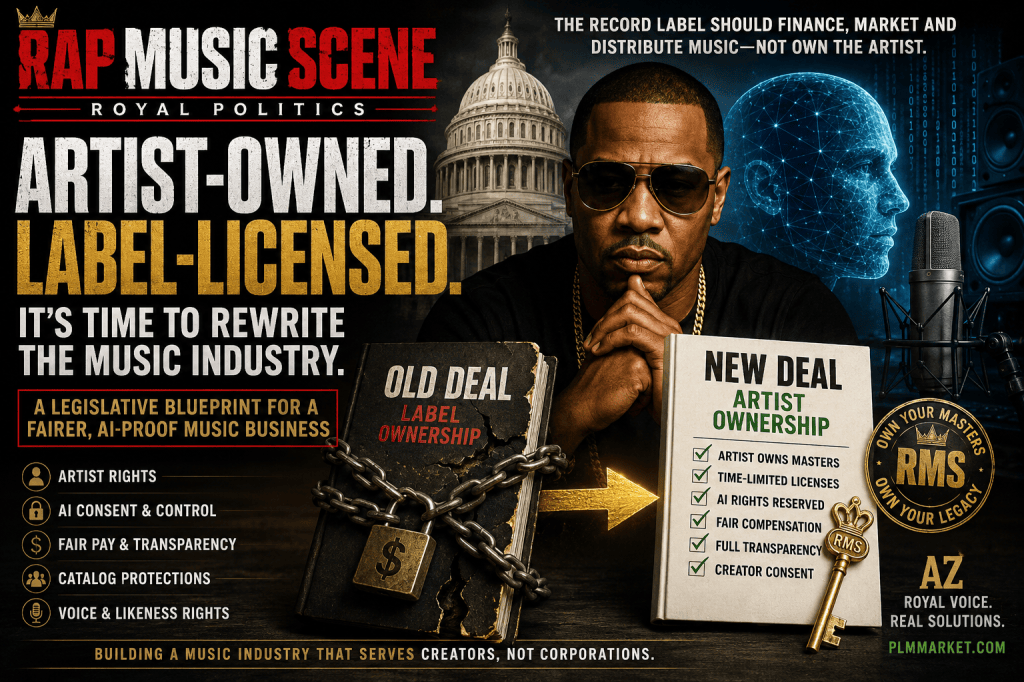
The cost of an advance is not only financial. It often comes packaged with a series of deeper sacrifices that follow artists for years. Ownership is the first. In exchange for an upfront check, labels typically secure full or partial ownership of the artist’s masters — the most valuable asset an artist will ever create. Publishing splits are often negotiated during these deals as well, giving the label a percentage of future songwriting income. These concessions may seem small in the moment, but they compound over time, especially when the catalog grows in value.
Advances also undermine creative control. When a label invests money in an artist, it expects a financial return. That expectation subtly, and sometimes directly, shapes what the artist is allowed to release. Artistic risks become discouraged, while trend-based music becomes enforced. Release dates, single choices, collaborations, and even image decisions can be controlled or heavily influenced by the label, all under the justification that the company must “protect its investment.” What the artist gains in financial relief, they lose in autonomy.
Long-term dependency is another silent cost of advances. Because recoupment often takes far longer than expected, many artists remain indebted for years, unable to renegotiate contracts, unable to leave their label, and unable to see meaningful revenue from their music. Some never recoup at all, leaving them locked into deals that benefit the corporation far more than the creator. This cycle has persisted for decades, particularly in rap, where financial vulnerability and lack of industry knowledge make artists especially susceptible to predatory terms.
The cultural narrative surrounding advances contributes to the problem. Social media and industry marketing have framed advances as a symbol of success — a moment worthy of celebration, public praise, and lifestyle inflation. The image of the “advance check” has been glamorized to the point where artists feel pressure to accept deals simply to validate their careers. Few stop to ask what they are signing away, what they are committing to, or what long-term financial implications will follow. The industry benefits from this lack of awareness, because uninformed artists are easier to control and more likely to sign away the rights that labels value most.
Understanding advances requires acknowledging the structural incentives behind them. Labels are not philanthropists; they are corporations seeking valuable intellectual property. An advance is the most effective tool for acquiring it. By offering short-term money, labels secure long-term revenue streams. They gain ownership of music that can be monetized for decades. They build catalogs that can be sold, leveraged, or licensed far beyond the lifespan of the artist’s career. The advance is not designed to enrich the artist — it is designed to enrich the label.
Artists entering the industry deserve clarity, not confusion. They deserve honest conversations about recoupment, catalog ownership, and the economic models that truly drive the music business. Too often, new artists believe that the advance is the opportunity itself, when in reality, the opportunity is the leverage that comes from knowledge, autonomy, and control. Advances have been marketed as stepping stones, but for many, they become chains.
In the end, the truth is simple: a record label advance is not free money. It is a debt that demands repayment, a contract that often limits future freedom, and a mechanism that shifts control from the artist to the corporation. Until artists begin to view advances through this lens — not as blessings but as loans — the cycle will continue. And the artists who suffer most will be the ones who mistook temporary relief for long-term empowerment.





Leave a Reply